
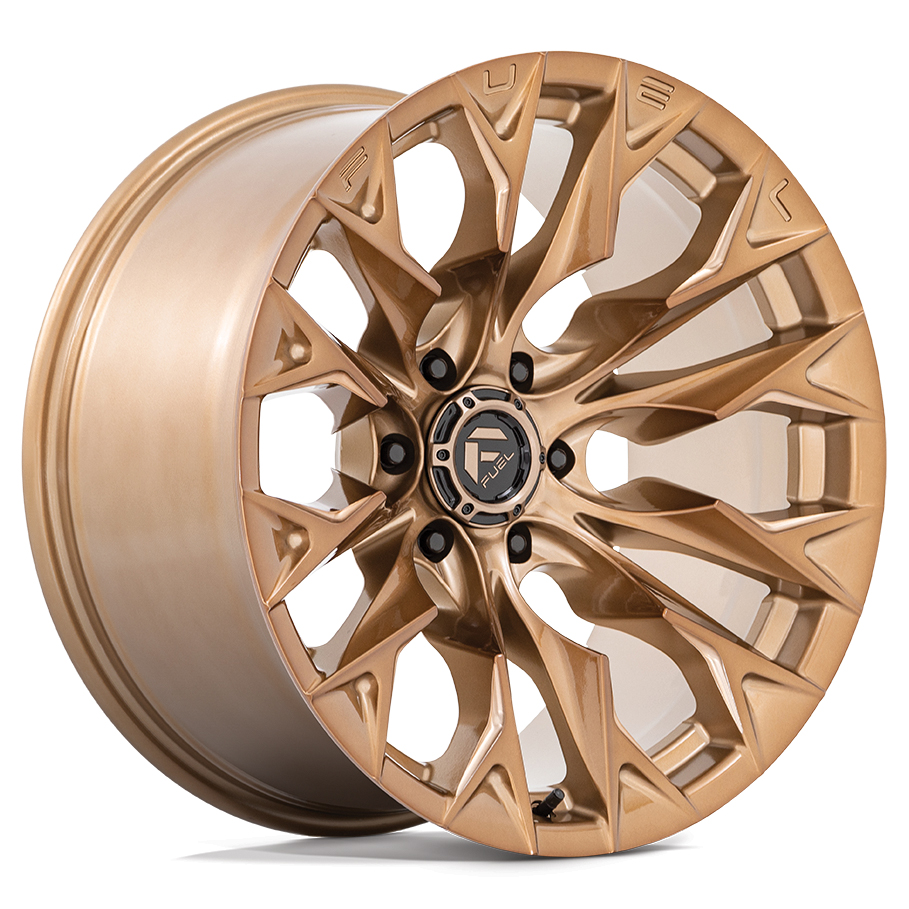
FUEL
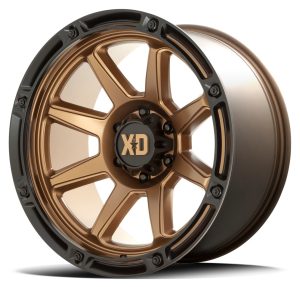
FLAME D805 – PLATINUM BRONZE
PCD: 6x139
Offset: ET20
Finish: PLATINUM BRONZE
Add-on services
Recommended tyres
Tyres that fit your selected 20″ size. Tap a tread to add it to your enquiry.
Rosette marks tyres covered by the Mag & Turbo KM Warranty
Frequently Asked Questions
Alloy wheels are made from a mixture of metals (typically aluminium and other elements) and are lighter than steel wheels. Steel wheels are heavier but generally more durable and affordable. Alloy wheels are preferred for performance and aesthetics, while steel wheels are common on work vehicles and provide excellent durability in harsh conditions.
Your vehicle's correct wheel size is stamped on the driver's door jamb or in your vehicle's manual. It's typically shown as a series of numbers and letters (e.g., 18x8.0 5x120). Never fit wheels that are larger than the manufacturer's specifications, as this can affect handling, speedometer accuracy, and fuel efficiency.
The offset (ET) value determines where the wheel hub sits relative to the wheel's centerline. Changing offset can affect your vehicle's handling, suspension stress, and brake clearance. It's best to stay within ±5mm of the original specification. For significant changes, consult a suspension specialist.
Yes, all new wheels should be balanced before installation. Unbalanced wheels can cause vibration, uneven tyre wear, and reduced fuel efficiency. Professional wheel balancing ensures smooth performance and extends your tyre and wheel life.
PCD (Pitch Circle Diameter) is the diameter of the circle formed by the wheel bolt holes. Your vehicle has a specific PCD (e.g., 5x120mm means 5 bolts on a 120mm circle). Using wheels with incorrect PCD will prevent proper fitting and can damage your vehicle. Always match your vehicle's PCD exactly.